
Dr. Chris Palmer
Harvard Psychiatrist, Researcher, and Author
Willy sat down with Dr. Chris Palmer, Harvard psychiatrist, researcher, and author of Brain Energy.
Dr. Palmer has become one of the leading voices exploring the connection between metabolism, nutrition, and mental health, challenging decades of conventional thinking about psychiatric disorders.
He and Willy discussed why mental illnesses may actually be metabolic disorders affecting the brain, the science behind ketogenic therapies and psychiatric recovery, and how lifestyle, stress, sleep, and nutrition can dramatically impact brain health. They also explored what this emerging research could mean for the future treatment of depression, anxiety, bipolar disorder, and schizophrenia.
Watch or listen to the replay.
At a glance
1. Who is Dr. Chris Palmer?
Dr. Chris Palmer is a Harvard psychiatrist and researcher working at the interface of metabolism and mental health. He is the Founder and Director of the Metabolic and Mental Health Program at McLean Hospital, an Assistant Professor of Psychiatry at Harvard Medical School, and the author of Brain Energy, which proposes that mental disorders can be understood as metabolic disorders affecting the brain.
2. What are the top reasons to listen to this webcast?
- Learn why Palmer believes many mental illnesses may be rooted in metabolic dysfunction rather than isolated brain disorders.
- Hear how ketogenic therapy is producing surprising results in patients with schizophrenia, bipolar disorder, and treatment-resistant mental illness.
- Get insight into how diet, exercise, fasting, and metabolism may influence brain function.
- Hear how metabolic interventions could potentially help some of society’s most vulnerable populations, including people experiencing severe mental illness and homelessness.
3. How has Dr. Palmer’s personal story shaped his work?
His interest in psychiatry began in his childhood as he watched his mother struggle with severe mental illness despite receiving extensive treatment. That experience, combined with his own mental health challenges, has fueled a lifelong mission to improve outcomes for people who have been told there are no better options.
4. What changed his view of mental illness treatment?
After years of seeing limited success with traditional approaches, he witnesseds a patient with severe schizoaffective disorder experience dramatic improvements after starting a ketogenic diet. The unexpected results led him to investigate whether metabolic dysfunction could be playing a central role in psychiatric illness.
5. Why does Dr. Palmer believe metabolism and mental health are connected?
Research increasingly shows that the same biological processes involved in obesity, diabetes, and metabolic disease also influence brain function. In his view, mental disorders and physical disorders are often different expressions of overlapping metabolic problems.
6. How does the ketogenic diet affect the brain?
The diet shifts the body into ketosis, allowing it to use ketones as an energy source. This process can influence neurotransmitters, inflammation, insulin signaling, the gut microbiome, and cellular energy production, all of which may impact brain health.
7. Why are mitochondria so important to his theory?
Mitochondria are responsible for producing energy within cells. Palmer believes that impaired mitochondrial function may be a key factor underlying many psychiatric conditions and that improving mitochondrial health can help restore brain function.
8. How early might metabolic problems contribute to mental illness?
Research suggests that metabolic dysfunction may begin years before psychiatric symptoms appear. Palmer points to studies showing that children with high levels of insulin resistance are significantly more likely to develop psychosis-related symptoms, bipolar disorder, or schizophrenia later in life, suggesting that early metabolic changes may play a role in future mental health outcomes.
9. How does Dr. Palmer view treatments like fasting, exercise, and GLP-1 medications?
He sees all of them as part of the broader relationship between metabolism and mental health. Exercise and fasting can improve metabolic function, while newer medications originally developed for diabetes are now being studied as potential treatments for conditions ranging from depression to Alzheimer’s disease.
10. What gives Dr. Palmer optimism about the future of mental health treatment?
Growing scientific interest, expanding clinical trials, and increasing awareness are creating new opportunities to rethink psychiatric care. He believes metabolic therapies could help many patients regain independence, improve quality of life, and achieve recoveries that were once thought impossible.
As an Amazon Associate, Walker & Dunlop earns a commission from qualifying purchases.
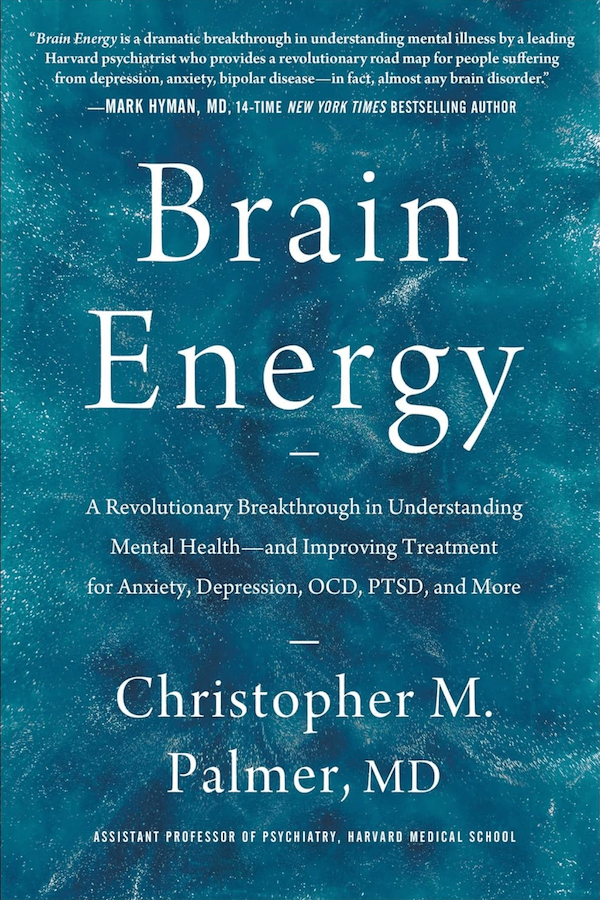
Brain Energy
Lorem ipsum dolor sit amet, consectetur adipiscing elit. Suspendisse varius enim in eros elementum tristique. Duis cursus, mi quis viverra ornare, eros dolor interdum nulla, ut commodo diam libero vitae erat. Aenean faucibus nibh et justo cursus id rutrum lorem imperdiet. Nunc ut sem vitae risus tristique posuere.
Lorem ipsum dolor sit amet, consectetur adipiscing elit. Suspendisse varius enim in eros elementum tristique. Duis cursus, mi quis viverra ornare, eros dolor interdum nulla, ut commodo diam libero vitae erat. Aenean faucibus nibh et justo cursus id rutrum lorem imperdiet. Nunc ut sem vitae risus tristique posuere.
Dr. Palmer challenges the way we think about mental health, arguing that many psychiatric conditions may be rooted in metabolic dysfunction. What I appreciated most about Brain Energy is that it connects cutting-edge science with real hope for people who have struggled to find answers. It's a thought-provoking read that could change how you think about the relationship between the brain, the body, and overall well-being.
Related Walker Webcasts
Team-First Mindset with David Carle
Learn More
May 6, 2026
Sports & Health
Hidden Cost of High Performance with Dr. Judith Joseph
Learn More
April 8, 2026
Sports & Health
Redefining Human Limits with James Lawrence
Learn More
April 1, 2026
Sports & Health
Insights
Check out the latest relevant content from W&D
News & Events
Find out what we're doing by regulary visiting our News & Events pages